
The Usual Suspects:
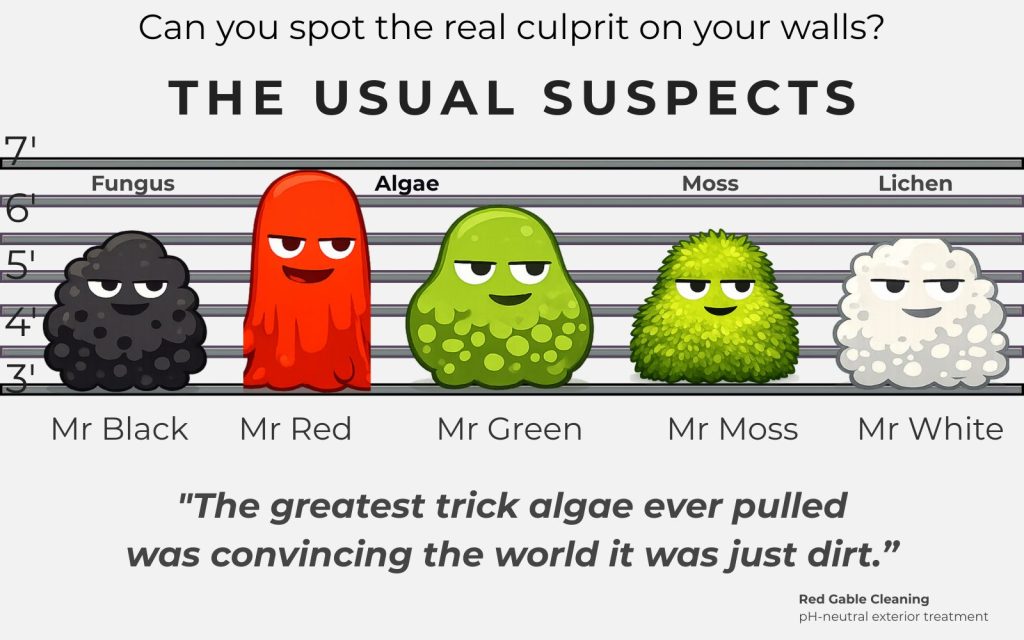
What Is Really Growing on Your Walls Most people assume the staining on exterior walls is dirt, pollution, or general weathering. In reality, it is usually a living layer of biological growth. This layer is made up of four main organisms: Together, they form what is known as biomass growth. It starts with algae Algae […]
Exterior Treatment of Historic Buildings: What You Need to Know
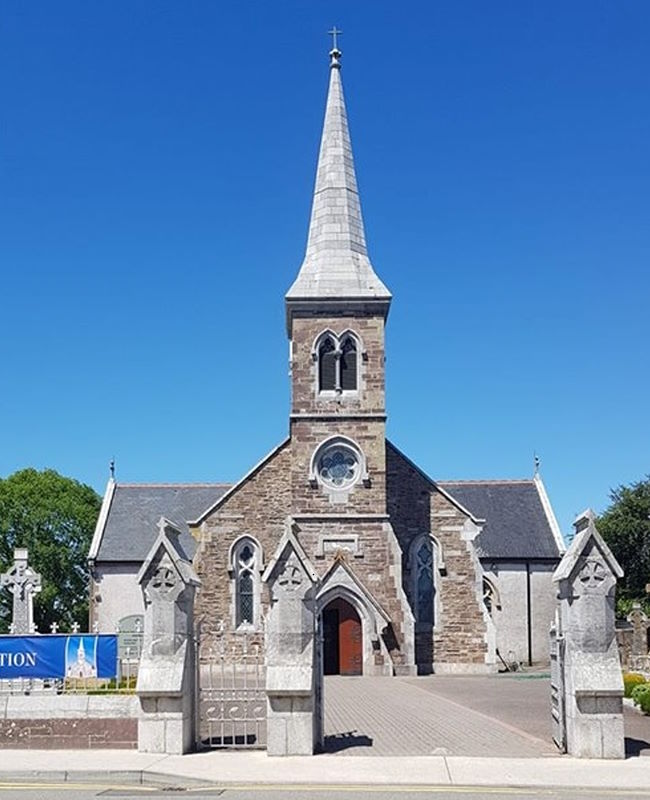
Over recent weeks, we have explored the subject of exterior treatment from several perspectives: industry practice, material behaviour, biological growth and chemical selection. Taken together, these discussions point to a simple conclusion. Exterior treatment of historic buildings is not a routine cleaning task.It is a conservation intervention. This final article sets out the key considerations […]
What Does Responsible Exterior Treatment Look Like?
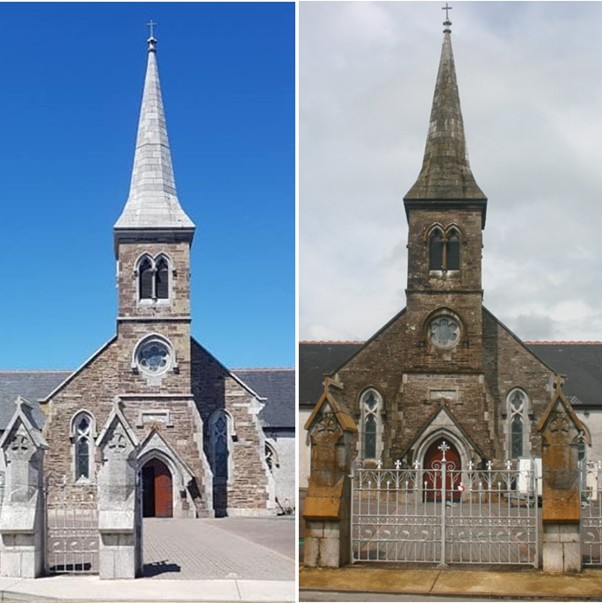
Over the course of this series, several themes have emerged. Exterior treatment remains a largely unregulated activity.Methods and materials vary significantly.The consequences of inappropriate intervention are not always immediately visible. The final question, therefore, is a constructive one. What does responsible exterior treatment actually look like? Understanding the material Historic buildings are composed of materials […]
Exterior Treatment and Professional Competence: Why Standards Matter
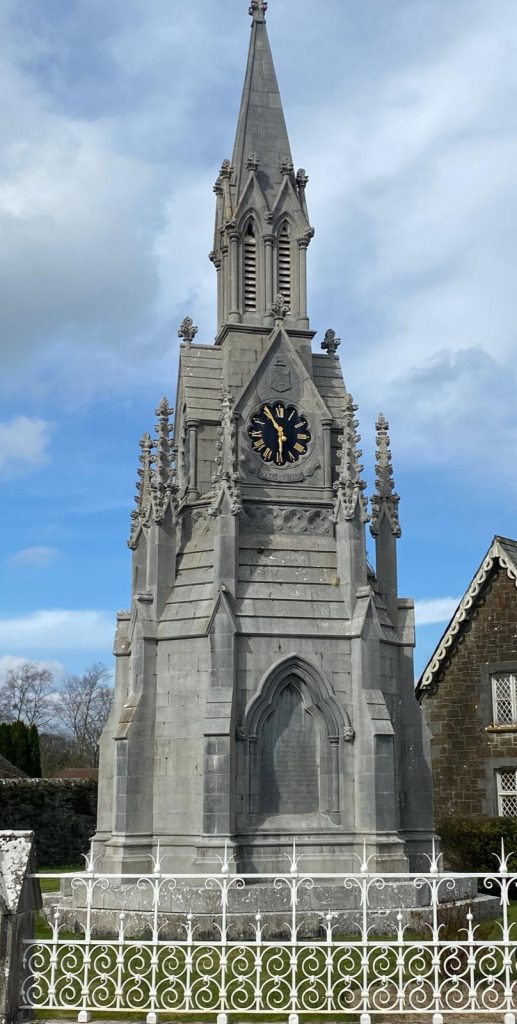
Exterior treatment work sits in a curious position within the built environment sector. On one hand, it involves direct intervention in historic and modern fabric — stone, lime render, slate, timber, lead, glazing and delicate architectural detail. On the other, it remains largely unregulated. There are no universally recognised competency thresholds, no mandatory accreditation […]